


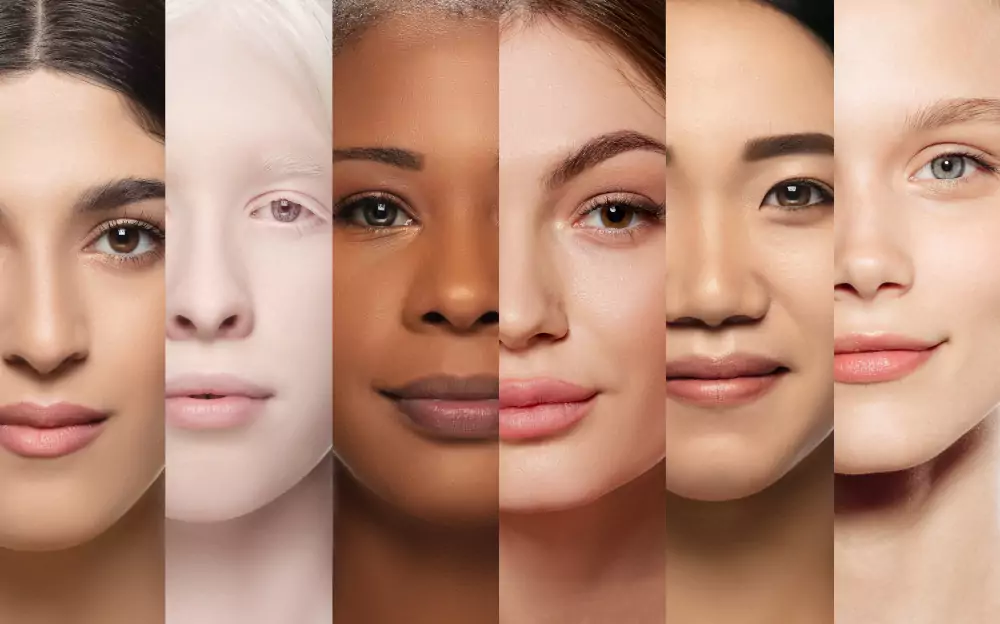
Image source: https://bplus.my/blogs/news/unrealistic-beauty-standards
Social media has changed the way we communicate, as well as the perception of beauty, in the past decade. Social networks such as Instagram, Tik Tok, YouTube, and Snapchat have become influential media and have shaped notions of beauty, self-image, and fashion. In comparison to the traditional media where few celebrities or fashion magazines dictated the beauty ideals, social media enables anyone to create, post, and shape (good or bad) beauty ideals.
From Traditional Media to Digital Influence
Before social media, beauty standards were largely dictated by Hollywood films, glossy magazines, and advertisements. Thin bodies, flawless skin, high cheekbones, and Eurocentric features dominated mainstream perceptions. These ideals were exclusive, narrow, and often unattainable for most people.
With social media, the narrative shifted. Suddenly, ordinary people could showcase themselves online, challenging old norms. But alongside empowerment came a new phenomenon: highly curated, filtered, and edited images that pushed new forms of unrealistic beauty.
The Rise of Filters and Perfect Selfies
One of the biggest drivers of unrealistic beauty standards on social media is the widespread use of filters and editing apps. Platforms encourage highly polished images where skin appears flawless, noses are slimmed, eyes are brightened, and body shapes are exaggerated. While these tools allow for creative self-expression, they also promote a distorted view of reality, making ordinary people feel inadequate when comparing themselves to these “perfect” images.
⚠️ Impact on Mental Health
Studies have shown that constant exposure to idealized social media images can lead to:
- Lower self-esteem
- Body dissatisfaction
- Increased anxiety and depression
- Obsession with cosmetic procedures and surgeries
This culture of perfection, often called the “Instagram effect”, has created a double-edged sword: while offering inspiration, it also fosters unrealistic expectations of beauty.
Embracing Diversity and Body Positivity
Despite these pressures, social media has also become a platform for celebrating diversity and redefining beauty:
- Different skin tones and textures are now gaining visibility
- Various body shapes and sizes are celebrated
- Movements like #BodyPositivity, #NoFilter, and #SkinPositivity encourage self-love and authenticity
Influencers and creators are challenging old norms, showing that beauty is not a single standard but a personal and cultural expression.
The Globalization of Beauty Trends
Social media has turned beauty into a global conversation. Trends that start in one country can go viral worldwide within hours. From K-beauty routines in South Korea to bold makeup trends in Latin America, this globalization is breaking traditional definitions and merging cultural influences. While this promotes inclusivity, it also creates pressure to adapt to globalized beauty norms, which are not always realistic or attainable.
The Double-Edged Sword of Social Media
Social media’s impact on beauty standards is complex:
- ✅ Positive: Promotes diversity, self-expression, and empowerment
- ❌ Negative: Amplifies unrealistic ideals, encourages comparison, and pressures cosmetic alterations
Experts suggest mindful social media use:
- Follow creators who inspire confidence, not insecurity
- Remember that filters and edits do not reflect reality
- Focus on self-care and personal growth rather than chasing trends
The evolution of beauty standards in social media reflects a cultural shift. It has democratized beauty, given voice to diverse identities, and encouraged self-expression. Yet, it has also exacerbated unrealistic expectations, making people compare themselves to carefully curated and often digitally enhanced images.
The key lies in celebrating individuality, promoting authenticity, and being aware of the pressures. Beauty is no longer a one-size-fits-all standard — it is personal, diverse, and ever-changing, shaped by both society and social media.


