


One of the best and most notable festivals held in Kathmandu Valley, Nepal is Indra Jatra. This is a centuries-old ceremony which is celebrated during the month of September annually in remembrance of the monsoon season coming to an end, and to honor the Hindu Lord of rain known as Indra. Although it is known by its chariot processions, masked dances and the emergence of the Living Goddess Kumari, the actual implication of Indra Jatra is much more than celebration.
It is a very rooted festival in mythology, culture, spirituality, and community identity.
Origin and Mythology of Indra Jatra
Indra Jatra story starts with a popular Hindu myth. Lord Indra, according to mythology, came down to the world to gather the sacred Parijat flowers in human guise to his mother. Locals in Kathmandu however mistakenly assumed that he was a thief and arrested him. People set him free later on finding out he was divine. Consequently, the mother of Indra had vowed rain upon harvests and healthy passage upon those who have passed away. Due to this myth, Indra Jatra has been strongly associated with rain, agriculture and memory of the dead.
The Raising of Yosin: Beginning of Indra Jatra
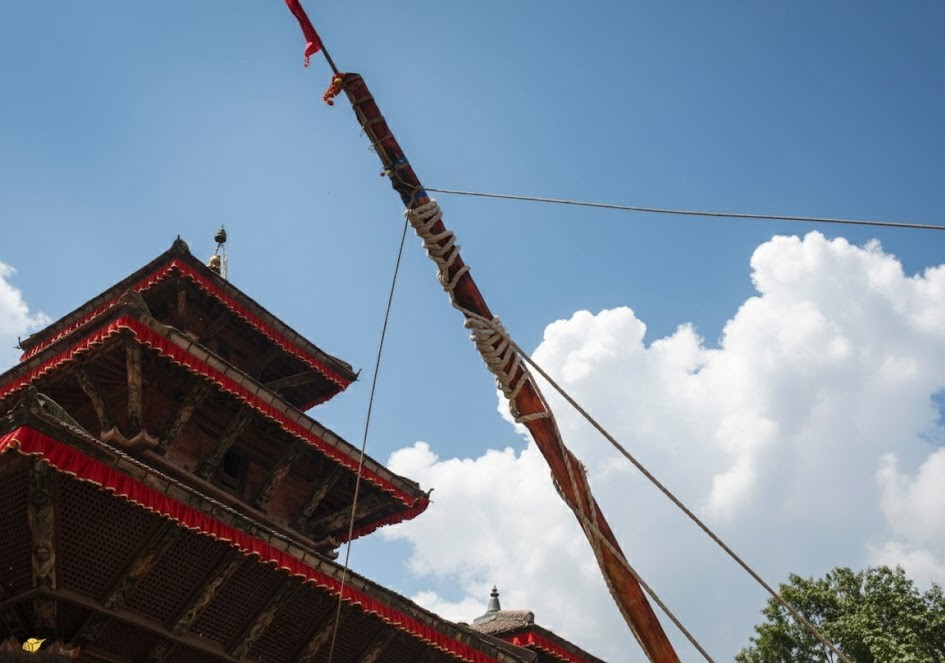
The ceremony Indra Jatra is inaugurated by placing a high ceremonial pole called Yosin (Indradhwaj) at Kathmandu Durbar Square. This religious flagpole is the embodiment of the existence of Lord Indra and the beginning of the eight days festival. This ritual is conducted using traditional chants, music and community participation and the cultural cohesion of the Newar community who are the original people of Kathmandu Valley is a great one.
Kumari Jatra: The Living Goddess Procession
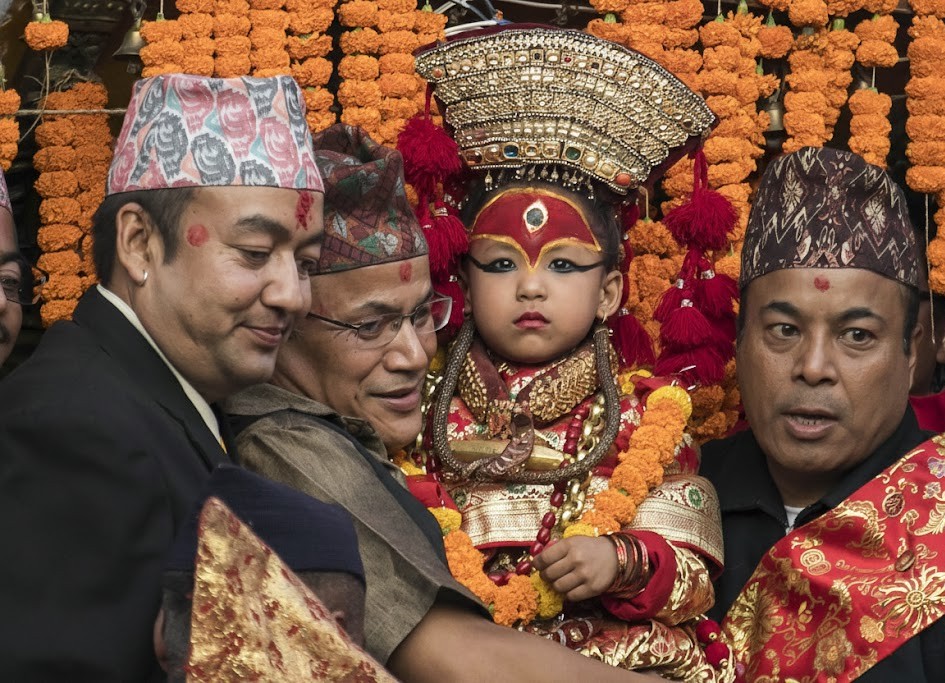
The Kumari Jatra is considered to be one of the most iconic events of the Indra Jatra. The Kumari which is thought to be the living incarnation of goddess Taleju is transported on a charming wooden chariot in the Kathmandu streets.
The believers think that viewing the Kumari during Indra Jatra is protective, prosperous and auspicious. Such a custom emphasizes a very peculiar feature of Nepal culture: the idea of divinity in human personage.
Lakhe Dance and Cultural Performances
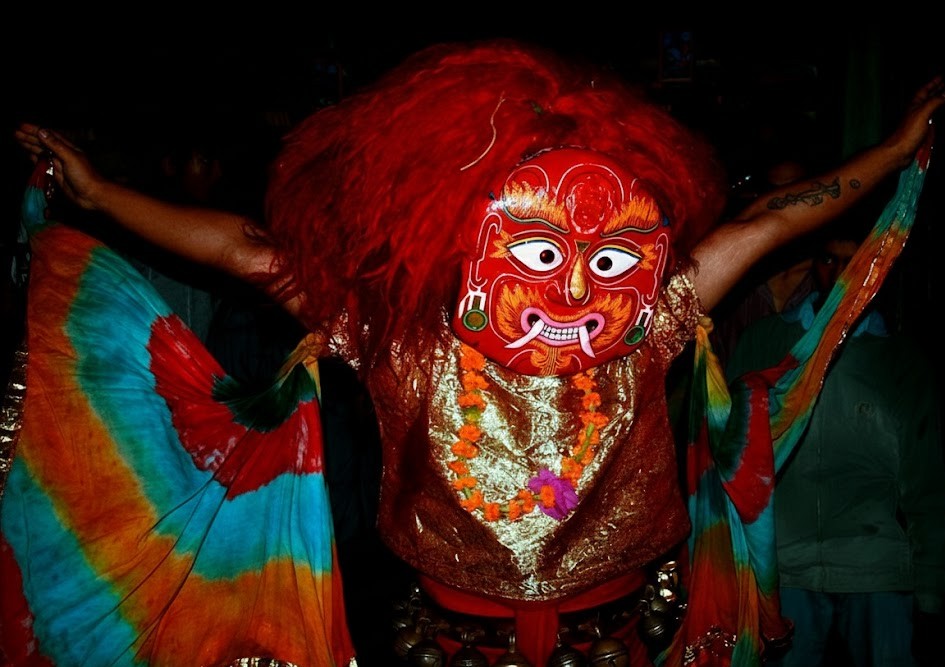
Another specialty of Indra Jatra is the dramatic Lakke dances done by the dancers wearing fierce masks. Lakhe is considered to be a guardian spirit that keeps off evil spirits. Traditional drums and cymbals accompany the dance and make the city have a strong atmosphere.
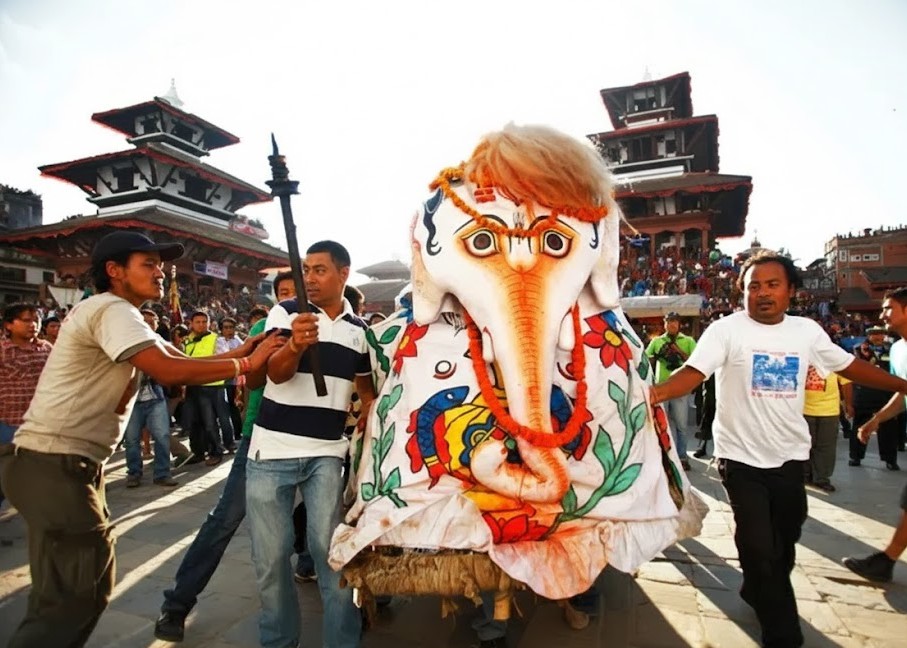
Another common sightseeing destination is Pulukisi the white elephant which is considered to be the vehicle of Lord Indra and entertains the audience, particularly children.
A Festival of Remembrance and Light
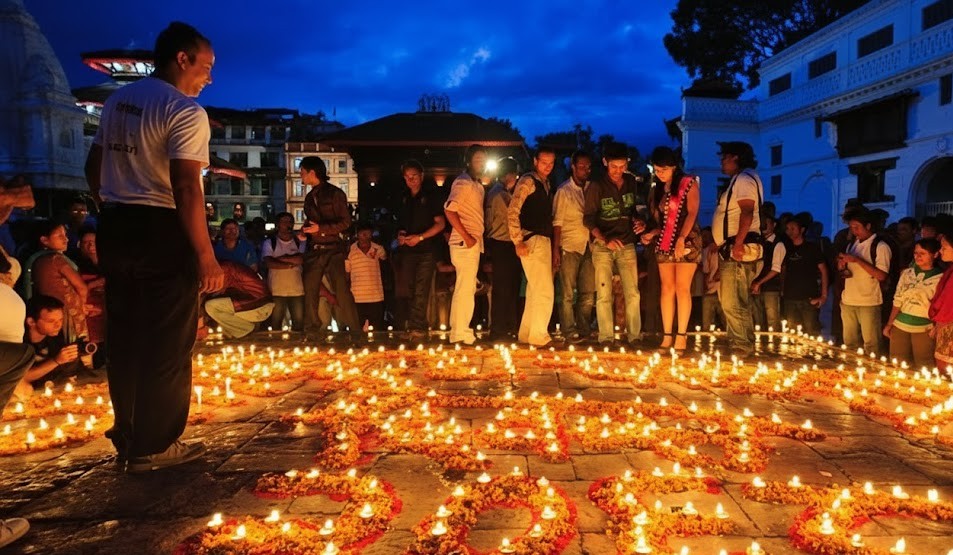
Celebration is not the only part of Indra Jatra, rituals to pay tribute to deceased relatives are also involved. The families put on oil lamps (Diyo Balne) all over the city to guide the souls of the dead.
This ritual makes it stronger that life and death are interconnected and that the memory of ancestors is an inseparable part of the Nepali culture.
Why Indra Jatra Is More Than Just a Festival
Indra Jatra represents:
Appreciation of rain and harvest.
Respect for ancestors
Festivity of continuity traditions.
Unity of community and faith


