


Pokhara has always been the pride of Nepal’s tourism. Snowy mountains rise above the valley. Phewa Lake reflects the sky. Meanwhile, the Lakeside streets buzz with cafés, music, and travelers.
For years, the city felt like paradise.
However, that paradise is slowly changing. Today, pollution, poor planning, and unmanaged tourism threaten Pokhara’s beauty. If this continues, the city may lose the charm that made it famous.
A City Travelers Love
First of all, Pokhara attracts visitors from around the world.
People come to trek, boat, paraglide, hot air balloon adventure and relax. Because of this, tourism supports thousands of jobs. Hotels, restaurants, taxi drivers, and guides all depend on visitors.
In other words, tourism keeps the local economy alive. Yet rapid growth brings new problems.
Lakeside Is Losing Its Magic
In the past, Lakeside felt calm and clean. Visitors walked along the foot trail. Families enjoyed the lake view. Couples watched the sunset in peace.
Now, however, the scene looks different.
Footpaths feel crowded. Plastic bottles lie on the ground. Food waste collects near benches. As a result, the area looks messy and unplanned.
Therefore, the peaceful vibe is fading. When the heart of Pokhara looks dirty, the whole city suffers.
Garbage and Pollution Are Increasing
Most importantly, waste has become a serious issue.
Many visitors use public spaces but forget their responsibility. For example, some throw bottles and wrappers on the street. Others leave leftovers behind. Consequently, trash piles up quickly.
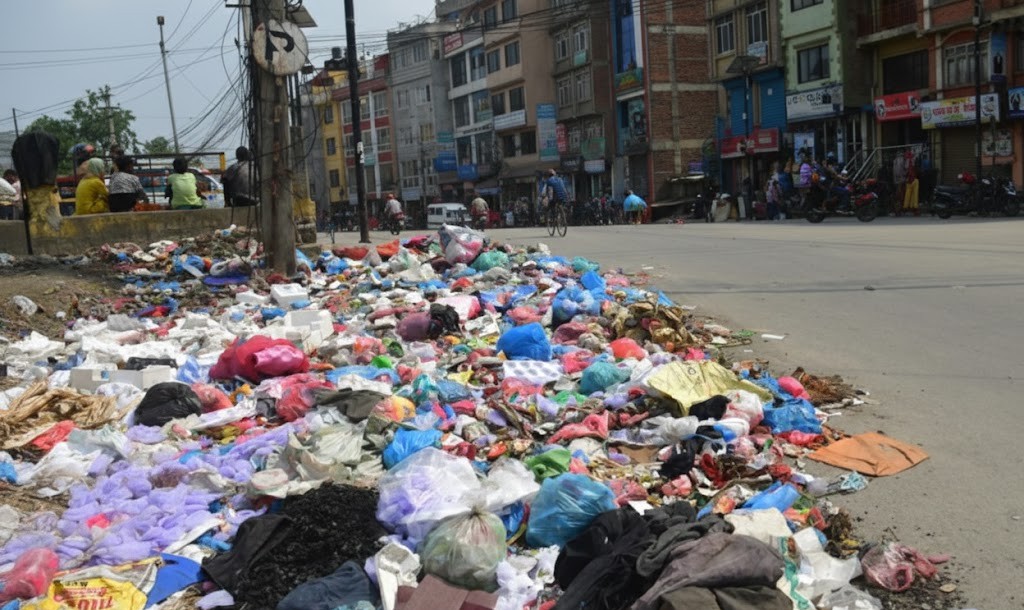
This pollution harms both nature and tourism. Not only does it damage the environment, but it also drives visitors away. After all, no one travels far to see garbage.
Even worse, Phewa Lake now faces contamination. If the lake suffers, Pokhara loses its biggest attraction.
Unmanaged Tourism Creates Chaos
At the same time, poor management makes things worse. Some tourists cook or eat on footpaths. Others block walking areas or create temporary picnic spots. Traffic also increases day by day. Because of this, Lakeside feels noisy and crowded instead of relaxing.
Clearly, tourism should improve a place — not overwhelm it.
Local Businesses Are Affected
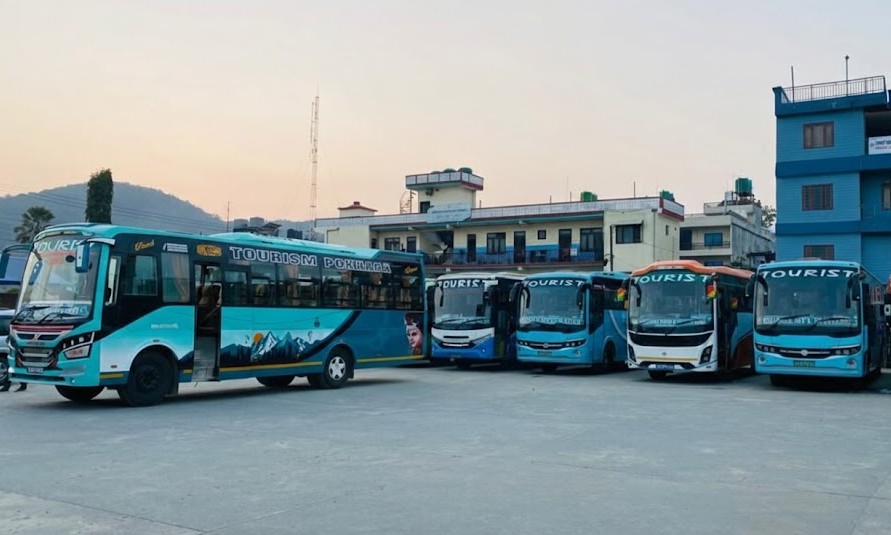
Meanwhile, local workers face another challenge. Many outside private or commercial vehicles bring tourists without using local taxis or agencies. As a result, local drivers and guides lose income. This situation feels unfair. If local businesses cannot survive, tourism cannot stay strong.
Simply put, a healthy system must support the community first.
Why This Crisis Matters
So, why does this matter? Because Pokhara depends heavily on tourism. If visitors stop coming, jobs disappear. Hotels struggle. Shops close. Families lose income. Therefore, protecting Pokhara is not just about beauty. It is also about livelihoods.
The Solution Starts with Responsibility
Fortunately, the solution is simple. Small actions can create big change.
Tourists should:
- Use dustbins
- Avoid littering
- Respect public spaces
- Follow local rules
Authorities should:
- Improve waste collection
- Add more trash bins
- Enforce fines
- Regulate outside vehicles
Businesses should:
- Promote eco-friendly travel
- Educate visitors
- Support sustainable tourism
Together, these steps can protect the city.
Saving Pokhara’s Future
In the end, Pokhara is still beautiful. The mountains still glow at sunrise. Boats still float across the lake. The air still feels fresh in the morning.
However, beauty needs care. Pokhara now stands at a crossroads. Either we choose clean and responsible tourism, or we allow pollution to take over.
The choice is ours. If we act today, Pokhara will remain a paradise tomorrow.


