


Electric transportation in Nepal has become one of the most burning topics in recent years as the country tries to find a more efficient and cleaner option of mobility. Electric cars are now a viable and viable alternative to traditional cars due to the escalating fuel costs, escalating air pollution, and the surge in urban population. Consequently, E-Drive is becoming significant in the future of transportation in Nepal.
Growing Importance of Electric Vehicles in Nepal
Firstly, Nepal is relying on imported fossil fuels that strain the economy and environment. Meanwhile, the problem of air pollution in large cities is now a serious issue. Accordingly, the transition to electric vehicles is a solution that is eco-friendlier and more sustainable.Electric vehicles are a good utilization of local energy due to the fact that Nepal is a high hydropower-producing nation. This in turn minimizes fuel imports as well as facilitating the nation to be energy independent.
Role of E-Drive in Promoting Clean Mobility
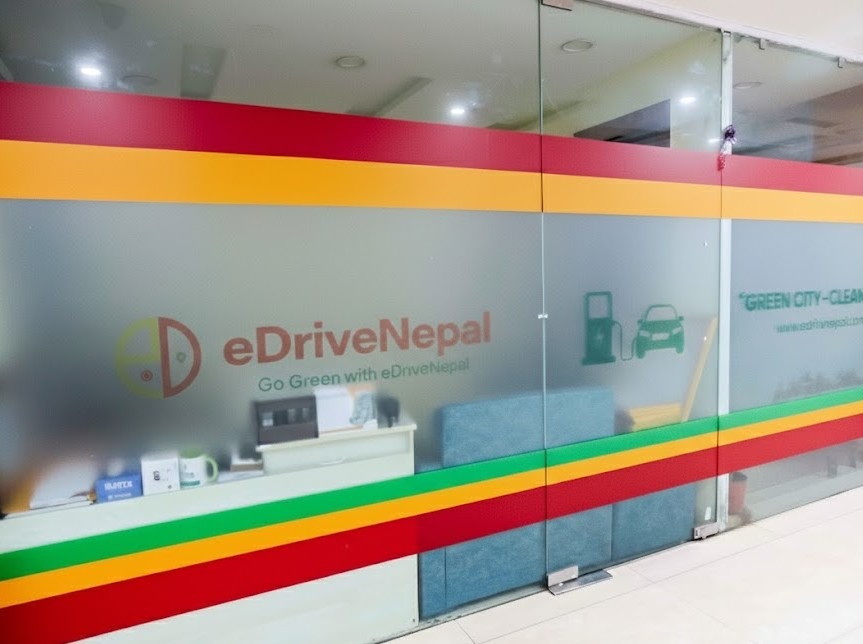
The E-Drive Nepal in this respect could be instrumental in promoting electric mobility. E-Drive offers a cleaner and cheaper means of transport to people, so they have the chance to ride in an electric vehicle. Furthermore, it contributes to raising the awareness of society on the advantages of electric cars in everyday life.
Moreover, E-Drive helps increase the number of charging stations and encourages the use of electric two-wheel vehicles and four-wheelers. Consequently, the general population is starting to have more trust and embrace the idea of using electric transportation as a mode of everyday transportation.
Benefits of Electric Transportation
Reduced operations cost relative to the petrol and diesel cars.
Less air pollution and better city air quality.
Hydropower domestically used to conserve energy.
Reduction in the amount of noise pollution in busy urban regions.
Reduced maintenance expenses through reduced number of mechanical parts.
Pros of E-Drive in Nepal
Environment-friendly
Reduces air pollution
Saves fuel costs
Uses Nepal’s hydropower energy
Lower maintenance cost
Quiet and smooth driving
Government tax benefits
Cons of E-Drive in Nepal
Limited charging stations
High initial purchase cost
Long charging time
Limited service centers
Battery replacement is expensive
Not ideal for long rural travel
Government Support and Future Growth
In the meantime, the Government of Nepal has brought numerous policies to promote electric mobility. They are the lower import taxes, electric vehicles incentives, and assistance in the development of charging infrastructure. Due to this, electric transportation is gradually becoming more popular all over the country.
As the government maintains its support and awareness of the population continues, it is likely that even more people will be able to switch to electric mobility by the next several years, which will help Nepal achieve its sustainable development objectives.


