


Nepal is rich in culture and tradition. One easy way to understand this culture is through traditional clothing. Every dress tells a story. In fact, these clothes show history, values, and identity.
In this article, you will learn about the traditional dresses of Nepal. You will also understand what they symbolize.
Why Traditional Dresses Matter in Nepal
Traditional dresses play an important role in Nepali society. For example, people wear them during festivals, weddings, and religious events. Although modern clothes are popular, traditional dress still holds value.
Moreover, these dresses:
- Cultural identity
- Social values
- Religious beliefs
- Regional lifestyle
Because of these reasons, traditional clothing continues to matter today.
Daura Suruwal – The National Dress of Nepal
The Daura Suruwal is the national dress for Nepali men. Usually, men wear it during official and cultural programs. As a result, it has become a symbol of respect.
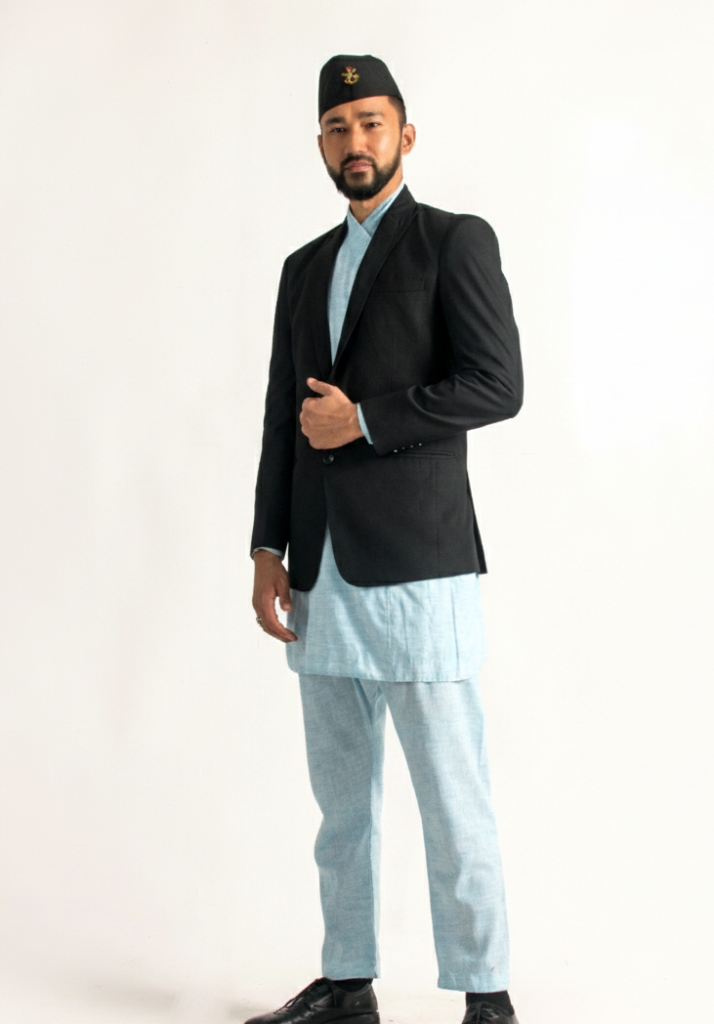
What It Symbolizes:
- First, the eight ties show balance and protection
- Next, the five pleats represent the five elements of nature
- In addition, the closed neck shows discipline
- Finally, the Dhaka Topi expresses national pride
Therefore, this dress clearly represents honor and tradition.
Gunyo Cholo – A Symbol of Womanhood
The Gunyo Cholo holds a special place in Nepali culture. During a ceremony, families give it to young girls. Through this ritual, a girl enters womanhood.
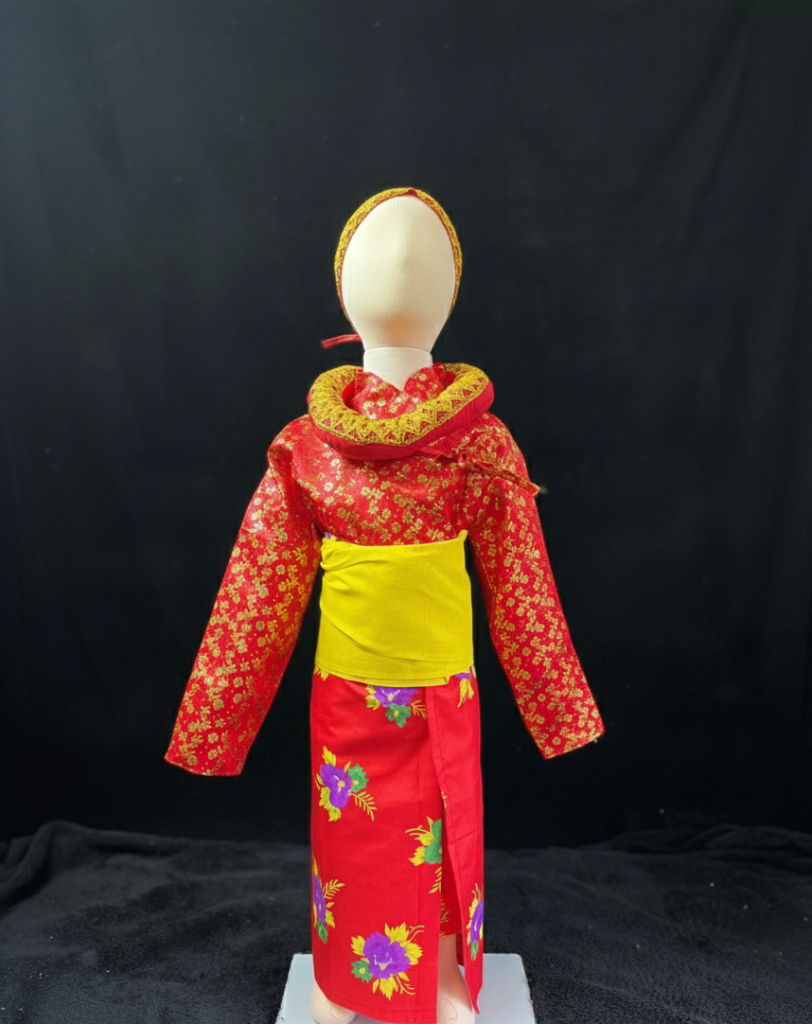
Meaning Behind It:
- First, it shows growth and maturity
- Next, it reflects family love
- Most importantly, the red color means strength and prosperity
Because of its meaning, families still follow this tradition today.
Haku Patasi – Identity of the Newar Community
In the Kathmandu Valley, Newari women wear the Haku Patasi. This dress includes a black sari with a red border. Most often, women wear it during festivals.
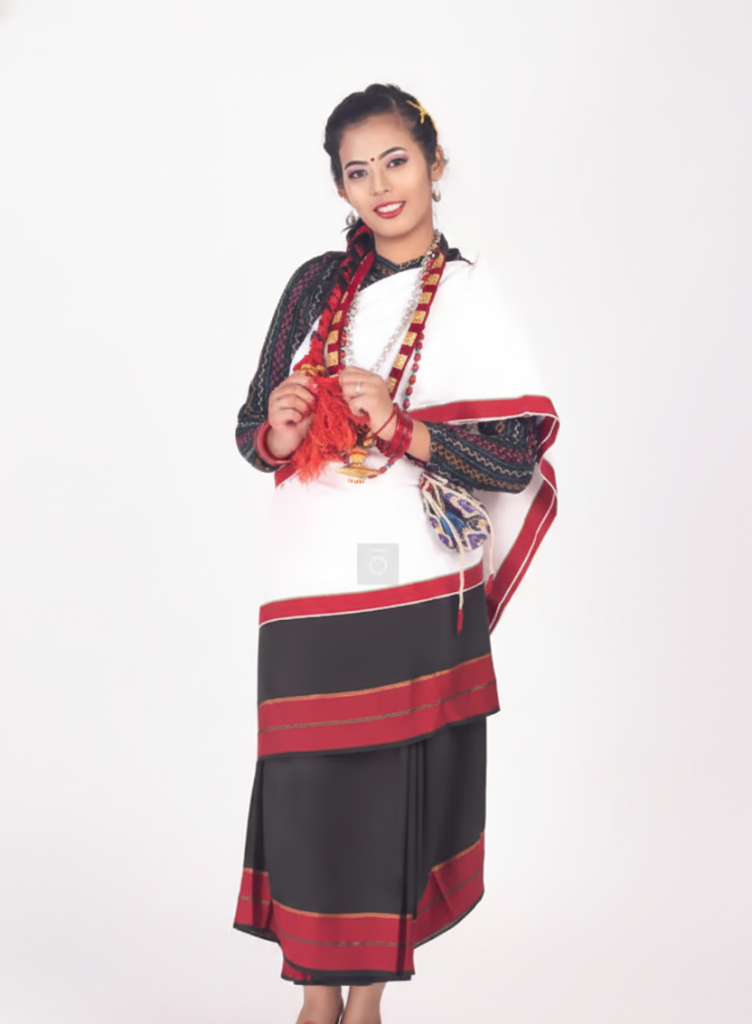
What It Represents:
- On one hand, black shows strength
- On the other hand, red shows power and fertility
- Together, the design reflects Newari culture
As a result, the dress remains a strong cultural symbol.
Bhakkhu and Bokkhu – Clothing of the Himalayas
People in the Himalayan region wear Bhakkhu or Bokkhu. These clothes are thick and warm. Therefore, they suit cold weather well.
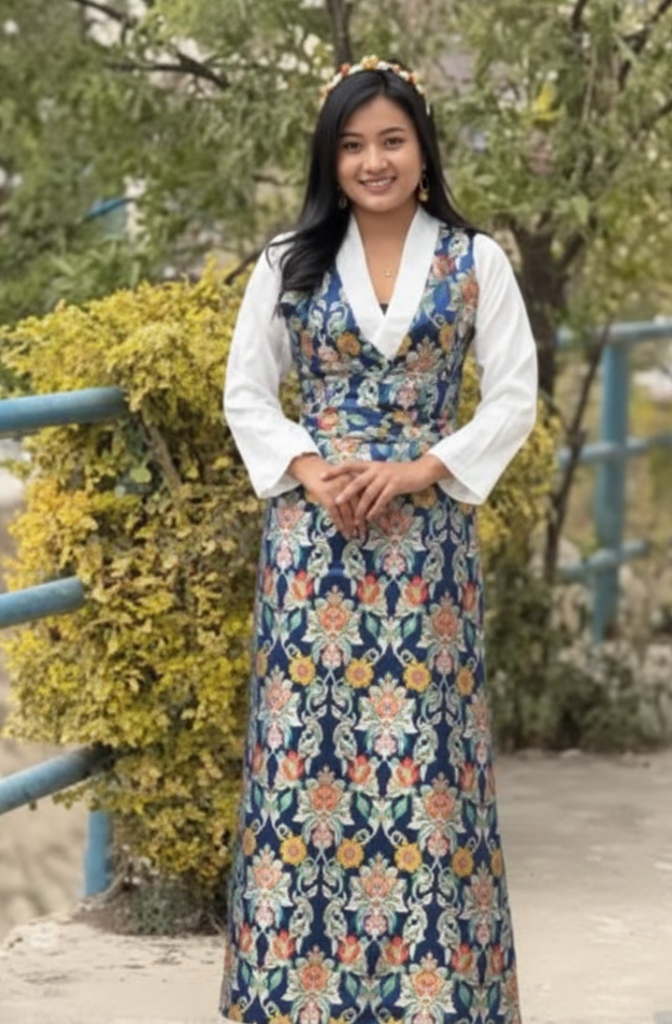
Meaning:
- First, they protect from cold
- Second, they reflect a simple lifestyle
- Lastly, they show Tibetan influence
Because of these features, the clothing fits mountain life perfectly.
Tharu Traditional Dress – Culture of the Terai
In contrast, the Terai region has a hot climate. For this reason, the Tharu community wears light and colorful clothes.
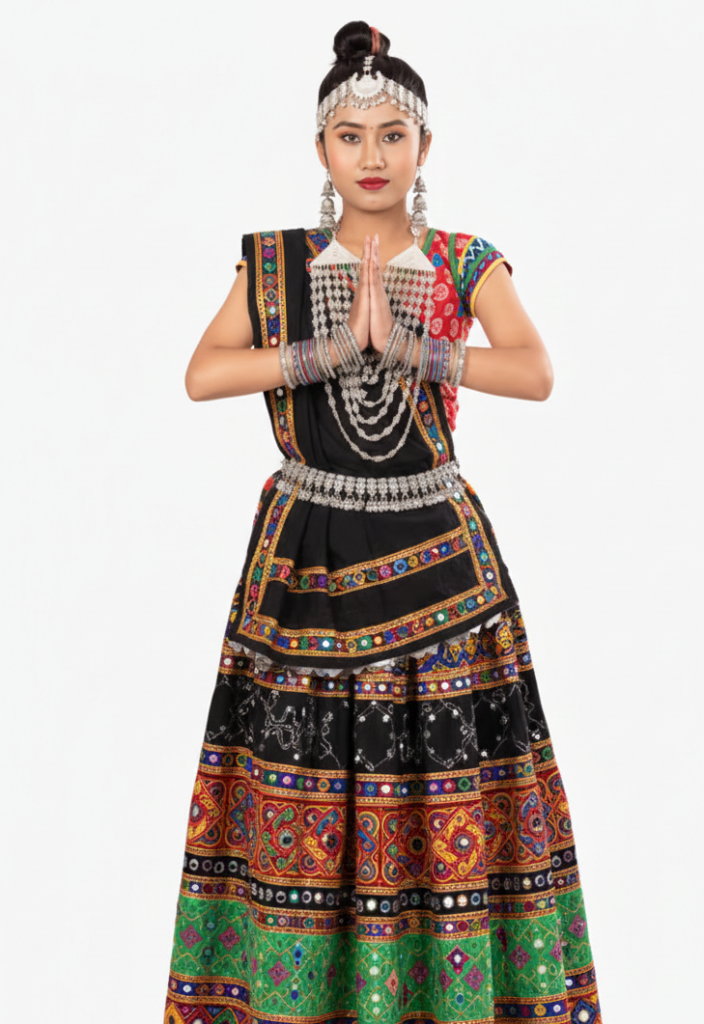
Symbolism:
- To begin with, bright colors show happiness
- Then, designs reflect farming life
- Also, jewelry shows social status
Thus, Tharu dress connects people to nature and tradition.
Chaubandi Cholo – Beauty of Hill Culture
Women in the hill regions wear the Chaubandi Cholo. Usually, they pair it with a patuka or sari. As a result, the dress looks both neat and traditional.
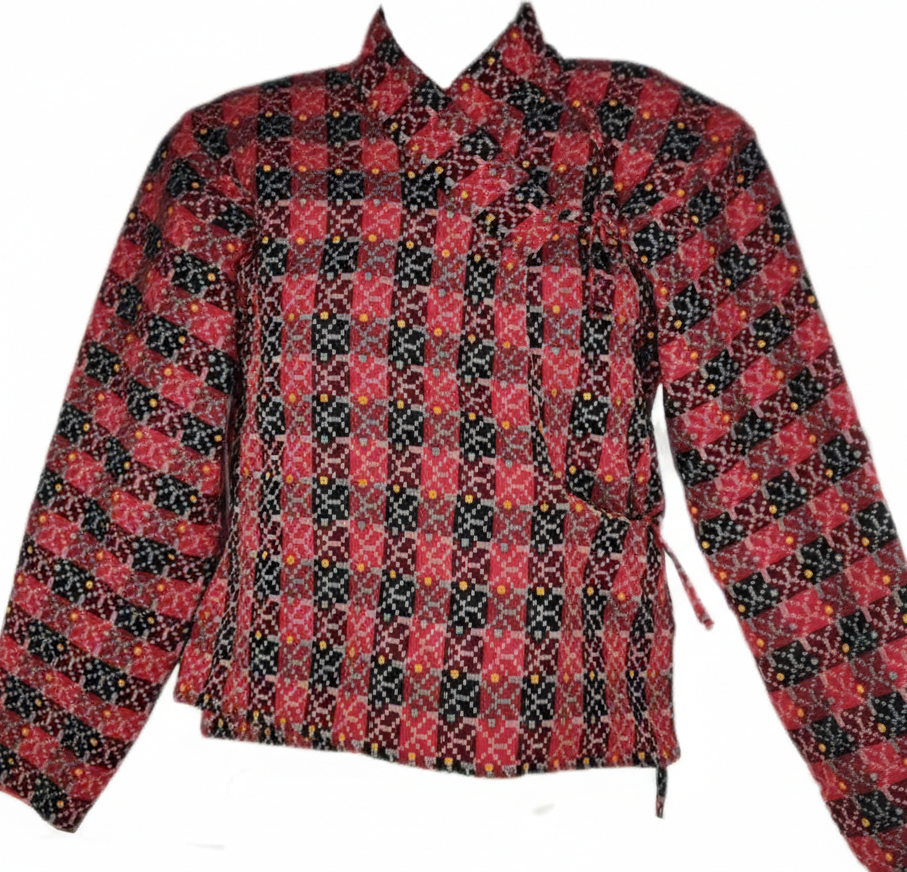
What It Symbolizes:
- First, “Chaubandi” means four knots
- Next, it shows balance and modesty
- Finally, it reflects traditional skill
Even now, women wear it during festivals.
Dhaka Topi – Symbol of Nepali Pride
The Dhaka Topi is one of Nepal’s most famous items. Men often wear it during national events. Over time, it has become a symbol of unity.
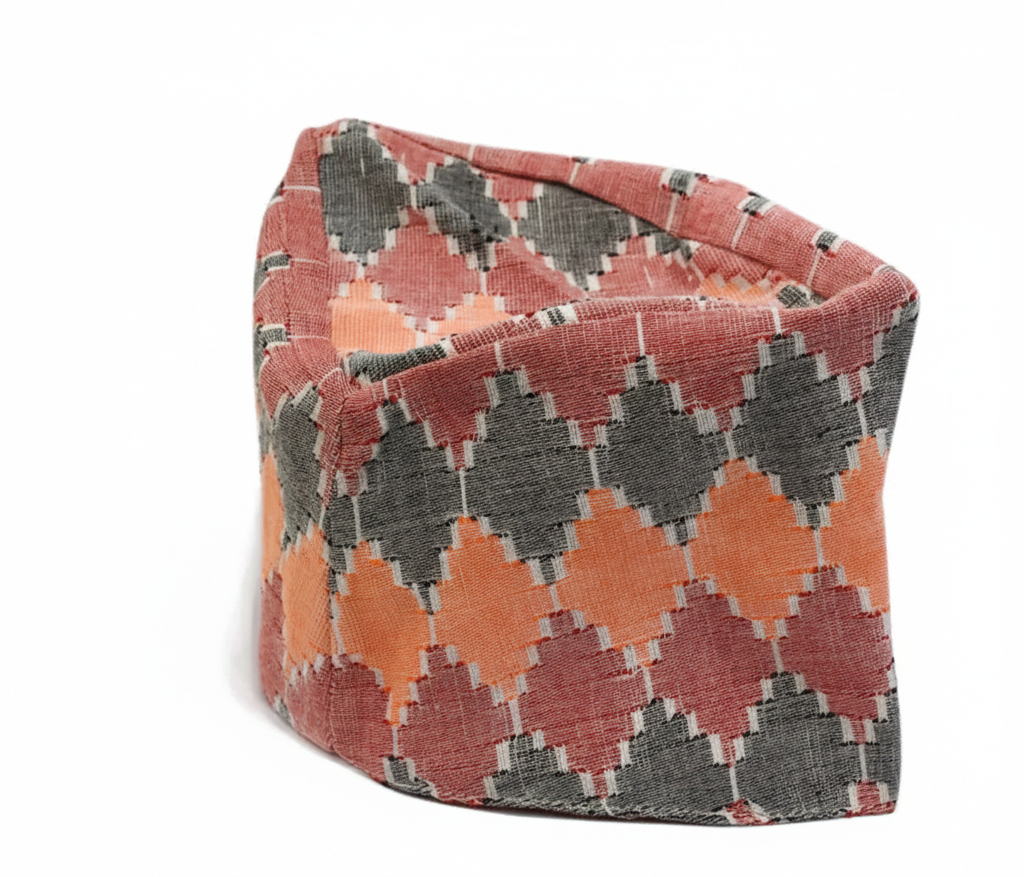
Meaning:
- First, it represents identity
- Next, it uses handwoven fabric
- Most importantly, it shows pride
Therefore, the Dhaka Topi holds great cultural value.
Sherwani – Dress of Celebration
During weddings, people wear the Sherwani. This dress looks elegant. As a result, it adds importance to celebrations.
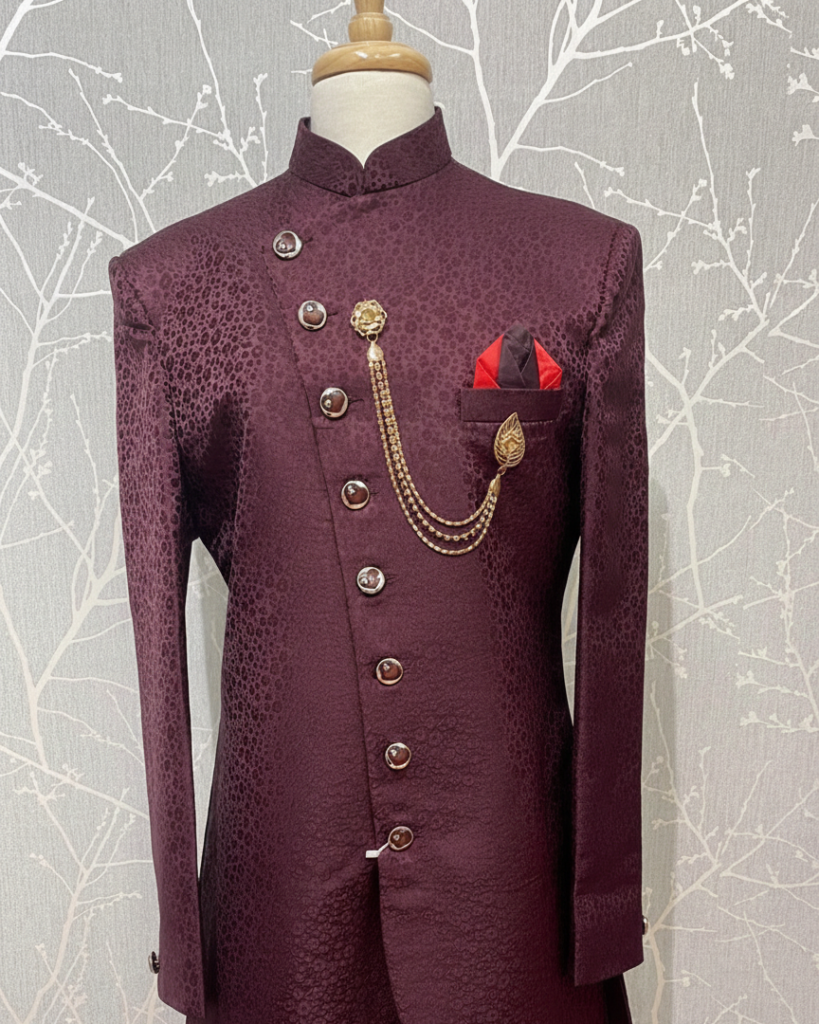
What It Represents:
- First, it shows royal style
- Next, it reflects respect
- Lastly, it expresses cultural pride
Because of this, many people admire it.


