


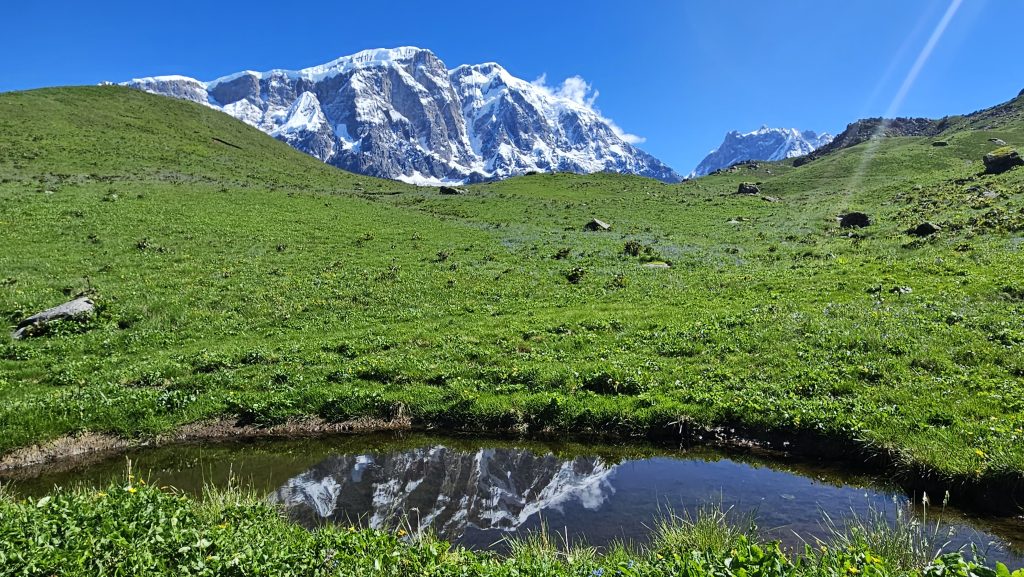
If you’ve been scrolling through trekking photos of Nepal lately, you’ve definitely seen Mardi Himal. Don’t get me wrong; the ridge views there are iconic, but let’s be honest: it’s getting crowded. Between the lineups for photos and the booming teahouse culture, that “wilderness” feeling is starting to fade. That’s exactly why I’ve been telling everyone to look toward Kori Danda instead.
Sitting at about 3,800 meters, Kori Danda is like Mardi’s quieter, more soulful cousin. It’s got the same jaw-dropping ridge walks and Himalayan panoramas, but without the trekking “traffic jams.” If you want to actually hear the wind instead of other people’s playlists, this is your spot.
The “Hidden Balcony” Experience
There is a specific moment on this trek that stays with you forever. It’s that 5:30 AM wake-up call when you step out of your hut and realize you’re standing on a “balcony” above the clouds.
To your left, Annapurna II catches the first light, turning a fiery gold. Right next to it, Lamjung Himal looks so close you feel like you could toss a stone and hit a glacier. On a clear morning, you’ll even see the iconic “Fishtail” (Machhapuchhre) poking through the mist.
The best part? You’re likely sharing that sunrise with maybe two other people and a handful of yaks. It’s pure, silent magic.
Starting Local
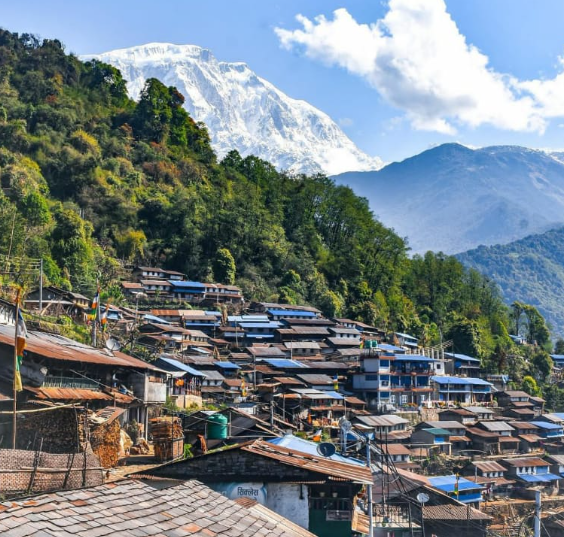
Your journey kicks off in Sikles, and honestly, this village is worth the trip alone. It’s one of the biggest Gurung settlements in Nepal, but it doesn’t feel like a tourist hub. It feels like home.
Walking through Sikles is like stepping back in time. You’ve got narrow stone alleys, houses with beautiful slate roofs, and locals who actually have time to stop and chat. You won’t find luxury boutique hotels here. Instead, you’ll stay in authentic homestays.
There is nothing quite like sitting in a smoky kitchen, watching a local Aama (mother) whip up a plate of fresh Dhido and local chicken curry. It’s simple, it’s spicy, and it’s the best fuel you’ll ever have for a mountain climb.
The Climb to Kori Danda
The trail itself is a bit of a shapeshifter. You start deep in the mossy, humid forests of oak and rhododendron. If you’re lucky enough to go in the Spring (March-May), the whole forest looks like it’s been painted in shades of red and pink.
As you gain altitude, the trees just… vanish. You emerge into these massive, rolling alpine meadows. This is high-country grazing land. You’ll see “Goths” (seasonal herder huts) dotted around, and if you’re quiet, you’ll hear the rhythmic clink-clink of bells from yaks and sheep grazing against the backdrop of 7,000-meter peaks.
Don’t Miss the “Avalanche Lake” (Kapuche)
While you’re up there, you have to take the detour to Kapuche Glacier Lake. At 2,450 meters, it’s officially the lowest glacial lake in the world.
The water is a crazy shade of turquoise, perfectly still until seeing snow slide down the high peaks and crash into the lake. Seeing an avalanche from a safe distance is a humbling reminder of who really runs the show in the Himalayas.
How to Make it Happen
- The Route: Head from Kathmandu to Pokhara (fly if you want to save your back, bus if you want the adventure). From Pokhara, it’s a rugged drive to the start of the trail near Sikles.
- Timing: 5 to 7 days is the “sweet spot” for this trek.
- When to Go: Autumn (Oct-Dec) for those crisp, blue-sky views or Spring (March-May) for the flowers and the vibes.
Final Word
Kori Danda won’t stay “hidden” forever. Word is getting out, and the trails are slowly getting busier. But for right now, in 2026, it is still the raw, authentic Himalayan experience we all dream about.
Dust off your boots, grab your camera, and get to Sikles. The mountains are waiting, and for once, you won’t have to wait in line to see them.


