


Dive into the heart of Nepal, where culture and celebration intertwine to create a mesmerizing spectacle known as Tihar. Also referred to as Diwali or Deepawali, this vibrant festival takes its place as the second-largest celebration in Nepal, following the grandeur of Dashain. It is generally celebrated between the months of October and mid-November in the Solar Calendar and within the timeframe of Nepali Kartik month. Tihar stretches across five glorious days. In 2023, from November 11 to November 15, this festival of lights promises a radiant experience. Here, we’ll take you on a journey to discover the essence of Tihar, where devotion, illumination, and cultural richness come together in a symphony of traditions that honor crows, dogs, cows, and the goddess of wealth, Laxmi. Join us as we unveil the magic of Tihar and explore the vibrant tapestry of Nepalese culture.
Traditions of the Tihar Festival
Tihar Festival is the second biggest festival in Nepal. It’s celebrated for five days and bestowed with the traditional cultural characteristics of Nepal. And each Tihar holiday has its own saying. The first day of Tihar is to worship crows, “the messenger of death”. People often sprinkle rice on the ground for crows’ pecking. The second day of Tihar is to honor dogs, “the guardian of the god of death”. The third day is to welcome the Goddess of Laxmi. The fourth day is to thank cows. The fifth day is to place Tihar quotes (Tihar Tika) to brothers and present Tihar gifts for sisters.
Day 1:Kaag Tihar/Crow Day, worshiping crows

On the first day of the Tihar Festival, people will offer rice to the crows, “the messenger of death”. These crows are busy all year round and only have this day to rest. It is important to ensure that the crows are happy, otherwise they will be informed of the bad news, and bad things will happen in the coming year.
Day 2:Kukur Tihar/Dog Day, thanking dogs

The second day of the Tihar Festival is called Kukur Tihar. On this day, Nepalis will honor dogs for they believe that the dog can guarantee the souls of the dead to get to heaven. People usually wear dogs with Tihar Tika and calendula garlands, and then treat them with a fancy dinner. In Nepal, the dog plays an important role as “the gatekeeper of death”, which is said to lead the deceased across the river of death in the underworld. On Kukur Tihar, Nepalese policemen will present beautiful garlands to the patrol dogs and paint their foreheads in red cinnabar to thank them for their contributions to social security.
Day 3:Gai Tihar and Laxmi Puja, honoring cow and the goddess of wealth

On the third day of the Tihar Festival, Nepalese often worship cows and Laxmi, the goddess of wealth. This day is also the most important holiday in the festival. People would get up early and clean the room thoroughly. Hence, they start to thank cows. After a cozy bath, those cows will wear red Tika and beautiful wreaths, with holy strings from the priest tied to their tails.
When the night falls, dazzling candles, oil lamps, and bright lights are lit up at the doors, steps, and even on the roof. All the Nepalis will make their home as luminous as possible to attract Laximi’s attention. If the day happens to be Saturday, shops and stores won’t follow the traditional practices and keep open to welcome the goddess of wealth. At this moment, Nepali kids won’t be idle. They come to visit neighbors in small groups and sing Tihar songs like Bhailo and Deusi for blessings. In return, the house owner gives them money, fruit, and sweets.
Day 4:Goru Puja

Govardhan Puja and Maha Puja, celebrate Newari New Year Under different cultural backgrounds, people will honor different things on the fourth day of Tihar. As the ox is an indispensable helper for the farmer, people will perform Goru Puja for the ox. Considered as the representative of Govardhan Mountain, cow dung is worshiped in Govardhan Puja. In addition, this day is also seen as the beginning of the new year for the Newar community in Kathmandu Valley. All the Newarians will reunite for this festival and perform Mha Puja to worship themselves.
On this day, the elder father would draw two geometric figures. One is painted to bless the whole family and the other is dedicated to the death of Yama and his messenger. Then all the members will have a special family feast and enjoy some delicious food, like boiled eggs, fried fish, tasty desserts, etc. After the grand banquet, they’ll take turns to worship the death of Yama Panchak and exchange Tihar gifts with each other to pray for good luck in the next year.
Day 5:Bhai Tika, performing Kija Puja

The last day of Tihar is known as Bhai Tika. On this day, brothers and sisters will gather together and accept Tihar quotes on their foreheads. After placing the multi-colored Tika and splendid garlands to the brothers, the sisters would offer them some Shaguns (a kind of candy) as a Tihar gift. And then the brothers would follow the same ritual to put Tika on their sisters and give them some money in return. This celebration has enhanced the close relationship between brothers and sisters.
Celebrations of Tihar Festival
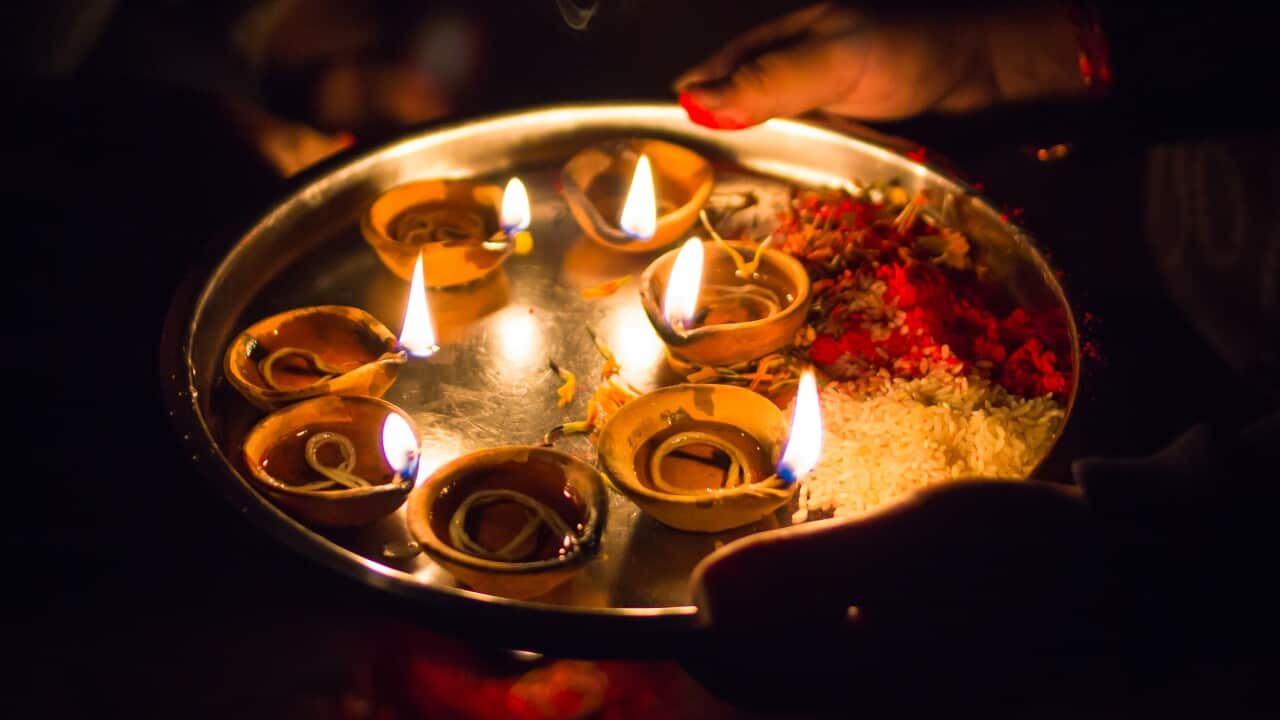
There is no formal ceremony for the Tihar Festival. And it’s just similar to Christmas and New Year festivals in other parts of the world. On the eve of Tihar, the husband will buy gold and silver jewelry for his wife. After the festival of lights commences, houses and rooms will be cleaned and painted to show respect for the gods and goddesses. Nepalese put on their new clothes and make a determination to start a new life. The merchants begin to use the new account book instead of the old one.
At night, each family and store will light a variety of colorful lights, and the sky is filled with spectacular fireworks. During this festival, friends and relatives will have a reunion and exchange Tihar gifts and greetings with each other. The climax of Tihar in Nepal is bathing in the holy river to purify the body and mind. In addition to praying to the gods for the health of the whole family, Nepalis also pay special respect to Laxmi, the goddess of wealth and luck.
Generally speaking, Nepalis will celebrate eleven great festivals from mid-October to mid-November. Tihar comes soon after Dashain. When the night falls, the whole Kathmandu valley turns into a sea of lights. Why not contact us to tailor your own Nepal trip?


