


Have you ever wondered how far Rs. 100 could take you in Nepal 25 years ago? While it may seem like a small amount today, it had much greater value in the year 2000.
From snacks and bus rides to school supplies and groceries, a single hundred-rupee note could buy much more than it can today. As Nepal’s economy has grown, prices have also increased. Therefore, the purchasing power of Rs. 100 has changed significantly.
Let’s take a trip down memory lane and compare what Rs. 100 could buy in Nepal in 2000 versus 2026.
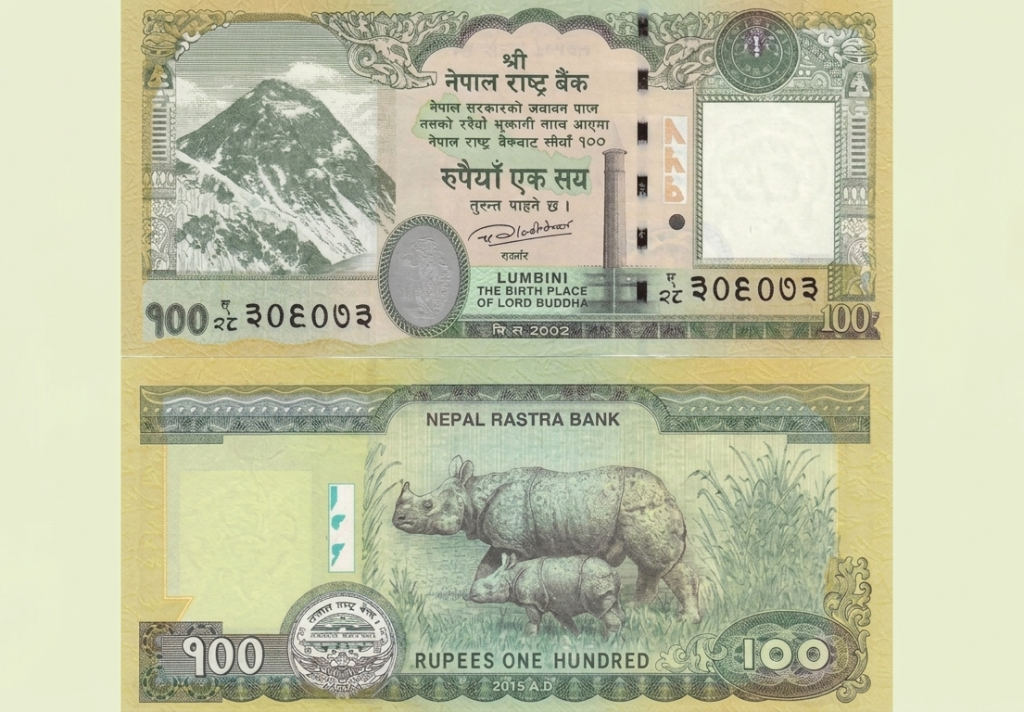
Rs. 100 in Nepal in 2000
In 2000, Rs. 100 was a valuable amount of money for many Nepalis. In fact, students could often spend an entire day out with friends on this budget.
For example, Rs. 100 could buy:
- A full plate of momo and a soft drink
- Several kilograms of seasonal vegetables
- Multiple notebooks and pens
- Tea and snacks for several people
- A decent bus journey between towns
- Basic household items
At the time, receiving Rs. 100 from parents or relatives felt special. Moreover, it could cover many daily expenses.
Rs. 100 in Nepal in 2026
Fast forward to 2026, and the situation looks very different.
Today, Rs. 100 can still buy something useful. However, it does not stretch nearly as far as it once did.
In many cities, Rs. 100 may buy:
- One plate of street momo
- A cup of milk tea and a snack
- A short local bus ride
- A few pieces of fruit
- A small grocery item
As a result, many purchases that once cost Rs. 100 now require several hundred rupees.
Food: Then and Now
Food prices clearly show the impact of inflation.
In 2000, Rs. 100 could provide a satisfying meal for more than one person. In some places, it could even cover breakfast and lunch.
Today, the same amount often pays for only a single snack or simple meal.
Consequently, families spend much more on food than they did two decades ago.
Transportation Costs
Transportation has also changed dramatically.
Back in 2000, Rs. 100 could cover a longer bus journey. Travelers could move between nearby districts without spending much.
Today, fuel costs are higher. Therefore, transportation prices have increased as well.
As a result, Rs. 100 usually covers only a short local trip.
School and Education Expenses
Students have also felt the effects of rising prices.
In 2000, Rs. 100 could buy several notebooks, pens, pencils, and other supplies.
Today, the same amount may buy only a few items. In addition, the cost of books and educational materials has increased over the years.
Entertainment and Lifestyle
Lifestyle spending has changed significantly.
Twenty-five years ago, Rs. 100 could cover a movie ticket, snacks, and transportation in many towns.
Today, entertainment costs are much higher. Similarly, modern lifestyles include expenses such as internet packages, streaming services, and smartphones.
Because of this, Rs. 100 plays a much smaller role in leisure spending.
Why Has Rs. 100 Lost Value?
There are several reasons behind this change.
Inflation
First, inflation causes the prices of goods and services to rise over time. Therefore, money gradually loses purchasing power.
Economic Growth
Nepal’s economy has grown since 2000. As incomes increased, demand for goods and services also rose.
Global Influences
In addition, global fuel prices, imports, and supply chain costs affect Nepal’s markets. These factors often push prices upward.
Urbanization
Meanwhile, cities have expanded rapidly. Housing, transportation, and daily living expenses have all increased.
The Bigger Picture
Although Rs. 100 buys less today, the story is not entirely negative.
Many Nepalis earn more than they did in 2000. Furthermore, access to technology, education, healthcare, and infrastructure has improved.
Roads are better. Internet access is wider. Mobile phones are now part of everyday life.
As a result, living standards have improved for many people across the country.
Looking Ahead
What will Rs. 100 buy in 2050? Nobody knows for sure.
However, if current trends continue, future generations may be surprised by today’s prices. Just as many Nepalis are amazed by the prices of 2000, people in the future may look back at 2026 with the same curiosity.
One thing is certain: a simple Rs. 100 note tells an interesting story about Nepal’s economy, changing lifestyles, and the passage of time.
So, what do you remember buying with Rs. 100 when you were younger?


