


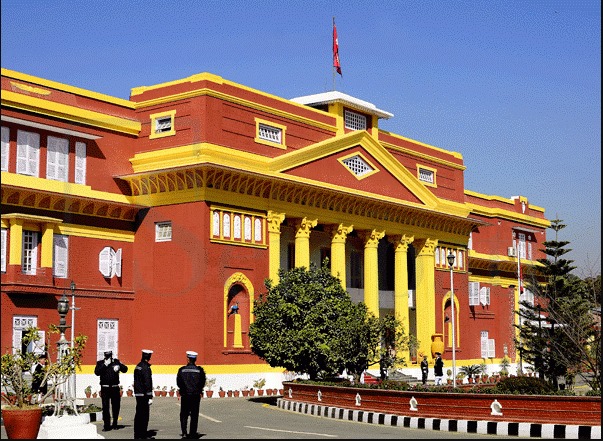
In a recent development, the District Administration Office in Kathmandu has initiated prohibitionary measures in crucial zones surrounding significant governmental premises. This directive, disclosed by Kathmandu’s Chief District Officer, Jeetendra Basnet, restricts gatherings and protest activities within specified areas encompassing the President’s Office, Sheetal Niwas, and the Prime Minister’s residence in Baluwatar.
The order, effective from November 21 and set to endure for 30 days, specifically prohibits assemblies involving more than five individuals for various activities such as protests, processions, sit-ins, gheraos, hunger strikes, and group gatherings.
Outlined in detail, the prohibitory zones extend from Sheetal Niwas to Pabitra Workshop in the east, encompassing areas through Samakhushi in the west, the North-East gate of the National Police Training Academy in the north, and the pathway leading to the Police Hospital in the south.
Similarly, the directive designates areas from Pabitra Workshop Chowk to Nepal Rastra Bank Chowk towards Baluwatar, and from the Speaker’s residence to 100 meters west-south of the road leading to Gairidhara as prohibited zones.
The rationale behind these restrictions lies in the potential disruption of peace, security, and public service delivery that large gatherings for protests and sit-ins near residences and offices of eminent personalities might trigger.
This latest enforcement follows earlier imposition of similar prohibitionary measures in Maitaghar-Baneswor and Pulchowk areas of Lalitpur by the local administration.
These precautionary measures seek to maintain order and prevent potential disruptions while safeguarding the smooth functioning of administrative activities within these pivotal zones in Kathmandu.


