


In the distant Nepalese mountain areas, where the national-grid power supply is difficult to achieve, or unavailable, the introduction of the micro-hydropower initiatives is the silent revolution in the daily lives. These little community-based hydro-power facilities are not only illuminating houses, but they are transforming education, health, business and social relationships.
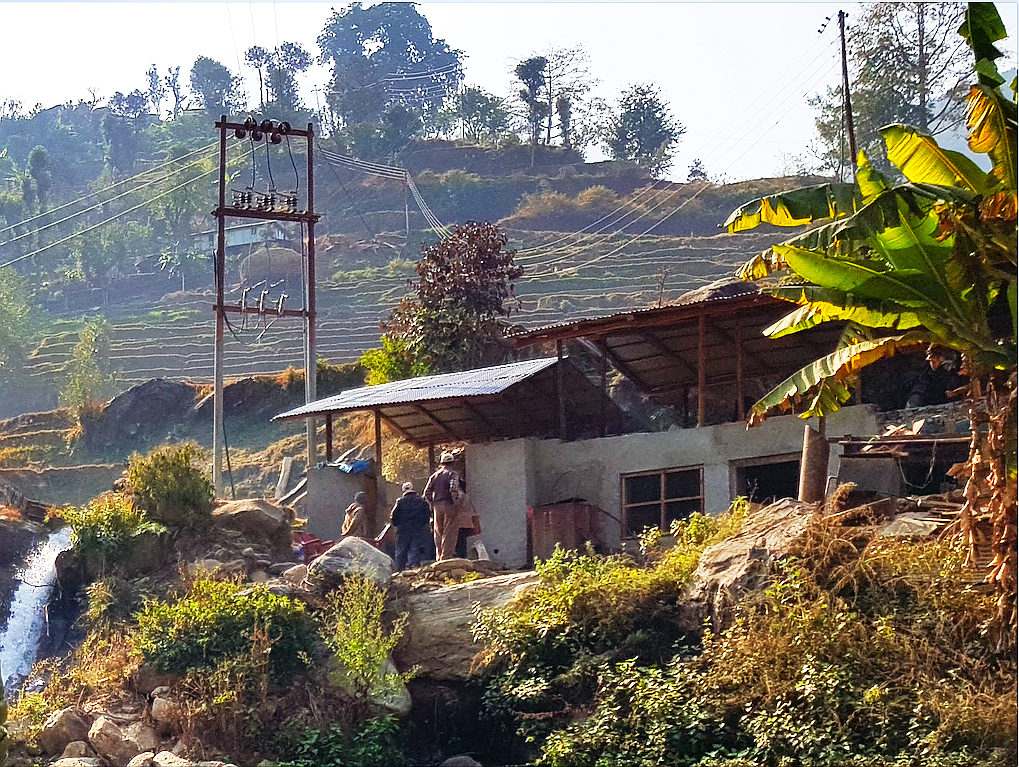
Image source: https://www.undp.org/
What are micro-hydropower projects?
Micro-hydropower plants normally produce 5100 kW of electricity using a small diversion, turbine and generator using a river or stream.
They are an expedient way to substitute a wait until large grid infrastructure in Nepal, a mountainous country, in full of steep watercourses and isolated settlements. It is estimated that more than 2,500 micro-hydro plants are installed in the country up until now (refer to Nepal Micro/Mini Hydropower Development Association).
How village life is changing
The following are some of the significant effects of these projects:
Improved lighting and education: Children are able to study at night with the aid of good electric lights and schools can operate the computers and evening classes. A local of one village remarked: It was a great triumph in our village when we had electricity. Life has changed now.”
New business opportunities: Small workshops, mobile-repair shops, soap making, internet cafe -all this became possible with the arrival of electricity. According to the United Nations Development Programme (UNDP), a 75kw micro-hydro in Baglung serves more than 50 small enterprises.
Better health: Clinics where refrigeration of vaccines was not possible previously may now refrigerate them and operate X-ray machines. Localized power implies that basic services are available at evenings.
UNDP
Community empowerment & ownership: Local communities are often the ones to build, run and maintain many projects- these aids in the sustainability of the project and buy-in of the locals.
Case Study:
The situation of the Rural Village in the Himalayas:
Mekuwakhola, a 12-kW community micro-hydro was installed in eastern Nepal in the remote Taplejung district. The project incorporated the local municipality in the planning and also paved way to income generating activities of the electricity supplied.
ncdcilam.org.np
⚠ Challenges & what lies ahead
Maintenance & sustainability: There are plants that collapse due to deterioration of equipment, destruction of the canals or the community funds run dry.
Kathmandu Post
Intersection with grid expansion: In other locations, when the national grid reached the region, micro-hydro power plants were no longer necessary or used, causing local anxiety.
Kathmandu Post
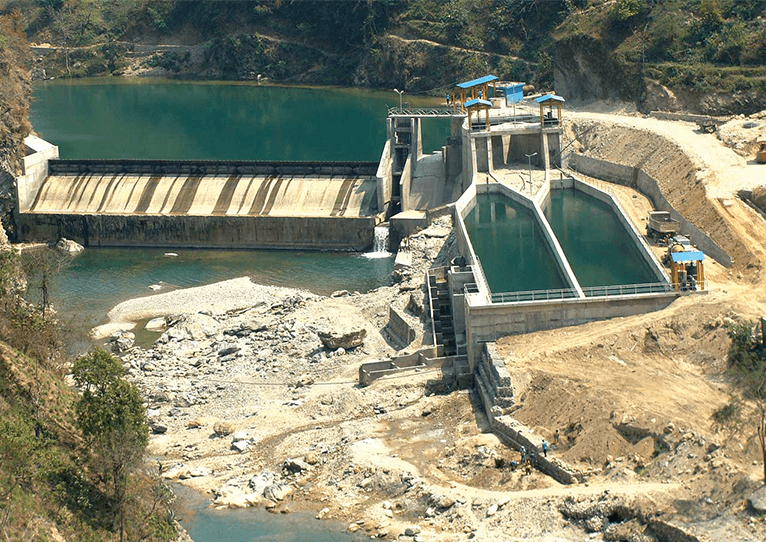
Image source: https://www.icimod.org/
Why these matters
Micro-hydropower is not just power in a place such as the Himalayas where access to infrastructure may be prohibitive due to remoteness and geography. It is a change agent: it is the way to educate at night, to open the doors to local business, to enhance resilience of health care, and to make communities interested in their own development. As one report puts it:
Every flint of illumination symbolizes a new hope and a new chance.
📌 Key takeaways
Micro-hydro projects = big impact in small scale in remote village mountain areas.
They facilitate other forms of social, educational and economic enhancements other than lighting.
It is essential to be community-owned and locally managed.
There are still issues to overcome: maintenance, grid arrival relevance, climate risk.
They present an example of sustainable and decentralized energy in rough terrain.


