


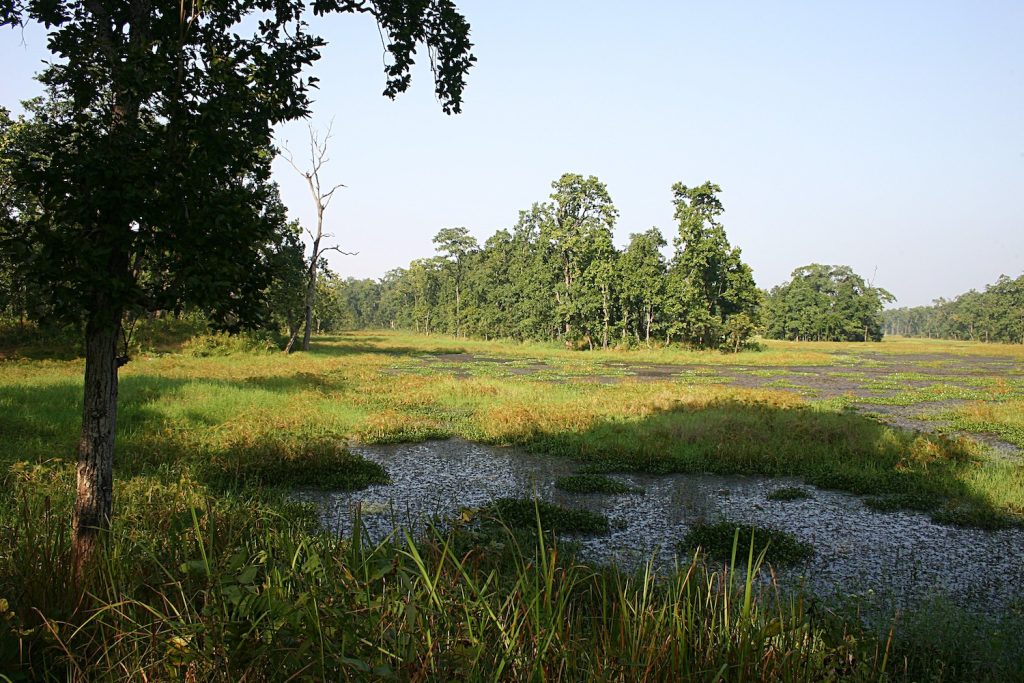
World Wetlands Day is observed on February 2, which is important not just for calendars but also for the planet’s priceless ecosystems! It’s a call to action, more than just a celebration, reminding us of how important wetlands play for sustaining life and demanding us to protect them.
Wetlands are like nature’s filters, they filter and absorb water to create different ecosystems full of life. They can take on a variety of shapes, including swamps, lakes, and wetlands. All are essential components of the greater hydrological cycle. These areas are the birthplace of biodiversity, home to an amazing number of flora, fauna, and microorganisms.
This agreement was signed in the Iranian city of Ramsar in 1971, which is when World Wetlands Day got its start. Recognizing the huge ecological, cultural, and economic worth of wetlands, this agreement aims for their responsible utilization and conservation on a global scale. After that time, February 2nd continues to rise in popularity as a day for public education and action in support of these vital ecosystems.
It is impossible to overestimate the value of wetlands. Some of the most important ones are:
- Water Purification: They serve as organic filters, removing impurities while improving the quality of water for towns located nearby.
- Flood Control: By gathering and storing water, they reduce the effects of floods and protect people and property.
- Climate Change Prevention: Because they absorb carbon dioxide, wetlands decrease the effects of climate change by keeping it from happening.
- Biodiversity Hotspots: These locations support a wide range of living things by providing essential habitats for a variety of species, including fish, amphibian species, and birds.
- Cultural Important: Wetlands are very important spiritually and culturally, and they have an essential effect on many communities’ practices and ways of life.
Wetlands are highly valuable, however, they are threatened in many ways:
- Development and drainage: There have been major losses as a result of utilizing wetlands for farming, building, and other uses.
- Pollution: The biological diversity and overall health of wetlands are at risk due to industrial waste, farming water drainage, and other pollutants.
- Climate change: Wetland ecosystems’ fragile ecology is threatened by rising temperatures, changing rainfall patterns, and sea level rise.
Also Read:https://whatthenepal.com/2024/02/02/galkot-durbar-a-gateway-to-nepals-rich-heritage/


