


Nepal is a land of natural wonders and rich culture. Whether it is the highest mountain ranges in the Himalayas or ancient cities, forests, riversides, and villages, it has been an important contributor to Nepal’s economy through tourism. Yet, as the number of visitors to Nepal increases, so does the need to travel in a manner respectful of Nepal’s natural environment and culture.
Therefore, this guide will define what “sustainable and responsible” tourism is in the Nepal context and help visitors understand the impact of their decisions while traveling to this country.

What Is Sustainable and Responsible Tourism?
Sustainable and responsible tourism means traveling in a way that:
- Reduces harmful effects on the environment
- Adheres to Local Culture and Practices
- Helps with local economy and community
- Protects the natural and cultural heritage for the future
Responsible travel and sustainable travel also focus on long-term sustainability. Sustainability refers to the actions of making and keeping destinations healthy and hospitable for current and future visitors and locals alike.
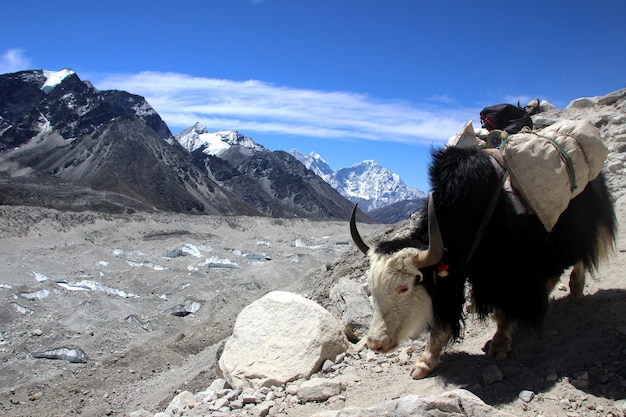
Why Sustainable Tourism Matters in Nepal?
To begin with, tourism is an important sector of Nepal, as it is one of the major sources of employment opportunities for guides, porters, lodge operators, artists, drivers, farmers, and many others. Also, Tourism is a major source of money for many rural villages.
Yet, the lack of management of the tourist phenomenon has led to issues such as:
- Plastic waste along trekking trails
- Pressure on natural resources in mountain areas
- Deforestation for Energy and Development
- Crowding in trekking hotspots like Everest & Annapurna trekking
In Nepal, due to the fragile nature of its ecosystem and the deeply entrenched culture, destructive tourism practices can prove detrimental to the country. Sustainable tourism in Nepal helps to ensure that economic gains are not accompanied by the destruction of the ecosystem or loss of culture. It promotes a balance in which tourism is used for conservation, education, and development.
How Travelers Can Travel Responsibly in Nepal?
Every tourist has the power to make a difference in this way. Ecotourism does not mean giving up comforts or fun. It just takes knowledge and awareness.
Reduce Waste
Plastic pollution is a major concern in Nepal that is associated with tourism. Visitors can make a difference in this aspect in the following ways:
- Bringing one’s personal water bottle and water purification tablets/filter
- Reducing or not using plastics such as bottled water and plastic bags
- Disposing of non-biodegradable waste while trekking through the wilderness

Choose Local
Investing in local businesses ensures that money remains in the local economy:
- Stay in locally owned hotels, lodges, and homestays
- Eat in local eateries and sample the local cuisine
- Support local craft products directly from the artists rather than factory-manufactured items.
Respect Culture and Traditions
The culture in Nepal is diverse, and it is important to be respectful of:
- Dress decently, especially in villages and mosques
- Remove your footwear when entering temples and homes as needed
- Ask permission before taking any photographs involving people or ceremonies
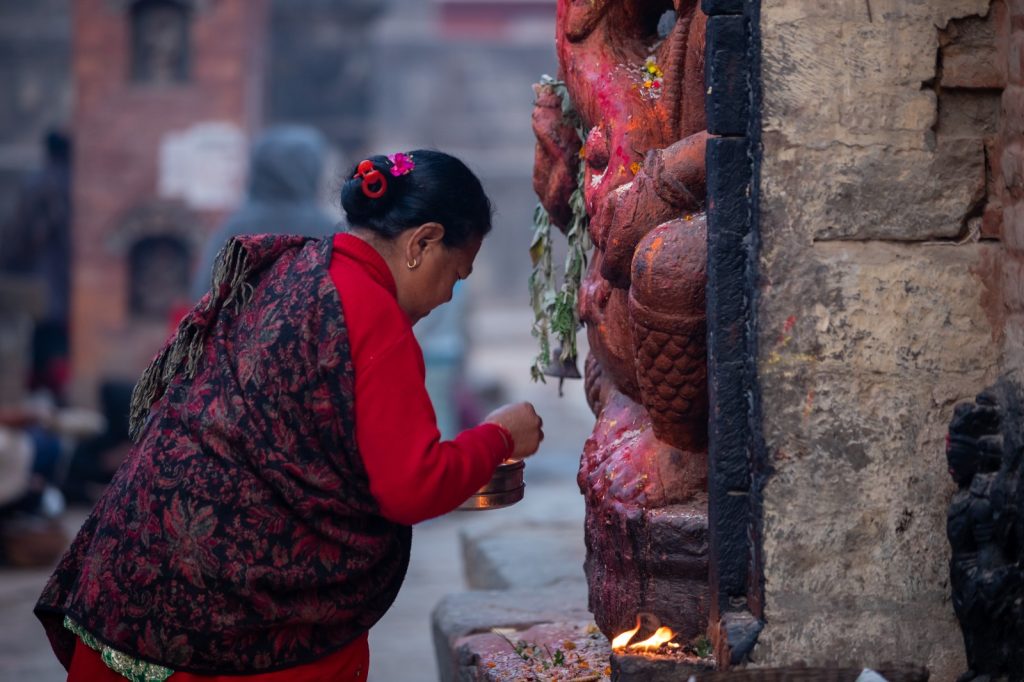
Travel Ethically
Ethical travel choices protect people as well as places:
- Engage local guides and trekking agencies with licenses
- Treat porters well, pay them correctly, and do not overload them
- Refrain from practices which exploit human, children, and animal populations for purposes of entertainment
Sustainable Trekking in Nepal
Trekking in Nepal has been declared to be the most popular tourist activity in the country. Furthermore, trekking in Nepal has also been found to be very sensitive to environmental and social factors.
Tips for sustainable trekking include:
- Selecting trekking companies that adhere to guidelines regarding porter welfare as well as labor best practices
- Disposal of Non-biodegradable Waste Rather Than Discharging it on Trails
- Remaining on established trails to avoid erosion of soil and damage to vegetation
- Researching new trekking routes to avoid congestion along popular routes
Trekking responsibly helps protect Nepal’s natural surrounding environments by treating the trekking staff with dignity and respect.
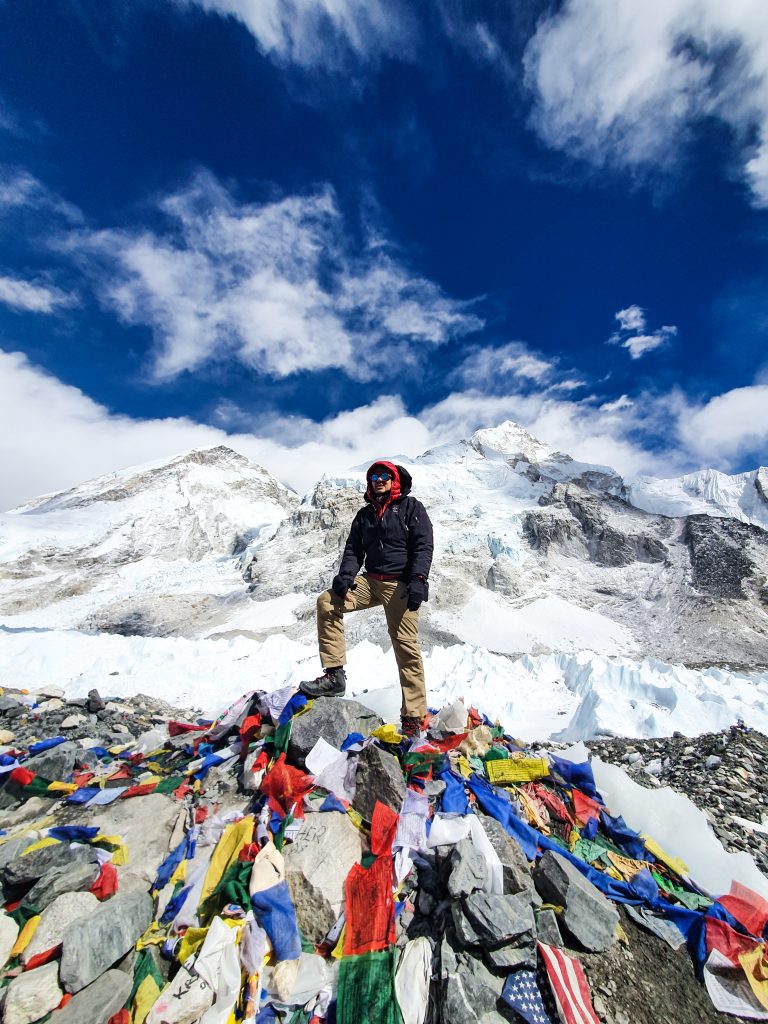
Preserving Nepal’s Culture Through Responsible Travel
The cultural diversity of the country is one of the greatest strengths of Nepal. The following are some ways through which travelers can contribute to the protection of this cultural aspect:
- Respecting religious traditions and holy places
- Promotion of traditional music, artwork, and handicrafts
- Do not display culturally insensitive behavior
Moreover, engaging with culture in a responsible way helps to create mutual respect between travelers and local communities.
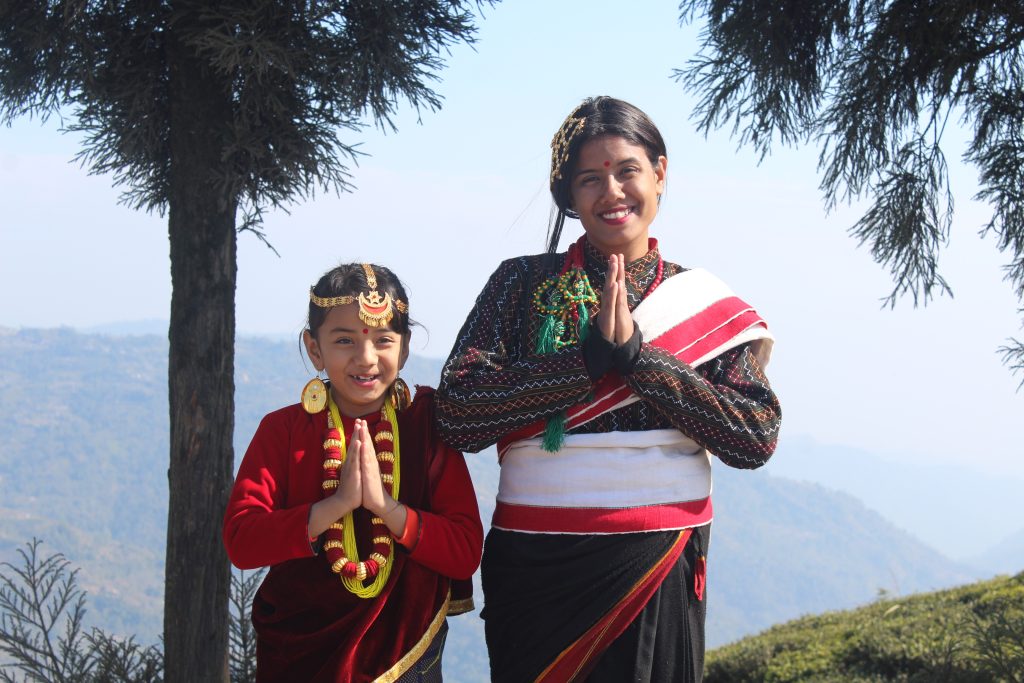
The Future of Sustainable Tourism in Nepal
Looking ahead, Nepal also has tremendous potential in becoming a worldwide leader in sustainable tourism. Eco-friendly hotels, community tourism, slow travel trends, and awareness are leading to a responsible future.
Additionally, Tourists are important actors in this change. Careful planning by tourists can help preserve Nepal’s beauty and richness for future generations.
Role of Tourism Businesses and Guides
Responsible Tourism is a responsibility shared not only between tourists. An important role in Responsible Tourism is played by tour operators, guides, and hotel managers in the sense that:
- Fair remuneration of guides and porters
- Controlling the group size to minimize environmental effects
- Reliance on renewable energy sources whenever feasible
- Raising awareness among tourists about the local culture and environment
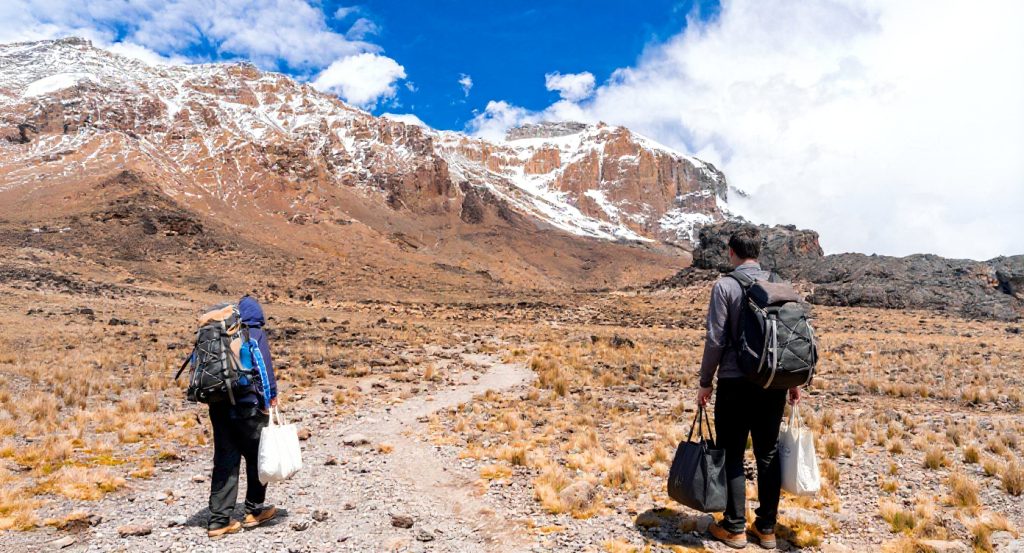
Sustainable Travel Tips for Different Types of Travelers
For Trekkers
- Ensure to choose the companies you will be using for trekking in accordance with porter
- Carrying reusable utensils and water filtration kits
- Respect trail rules and local customs
For Cultural and City Travelers
- To promote conservation of our heritage, visit museums and cultural centers
- Local transport and walking tours are the best way on which the
- Do not litter heritage sites and public spaces
For Long‑Stay Travelers and Digital Nomads
- Rent locally owned accommodation
- Buy from local markets in preference to buying imports
- Engage in Community Activities and Volunteer Properly
Conclusion
Responsible travel, or sustainable tourism, is not about seeing fewer places or traveling less; it is about traveling better. By respecting nature, supporting local communities, and honoring culture, travelers can experience Nepal more deeply while contributing positively to the places they visit.
Visit Nepal not merely to see it, but to preserve it.


